
Why the Most Beautiful Homes Don’t Follow a Single Design Style
/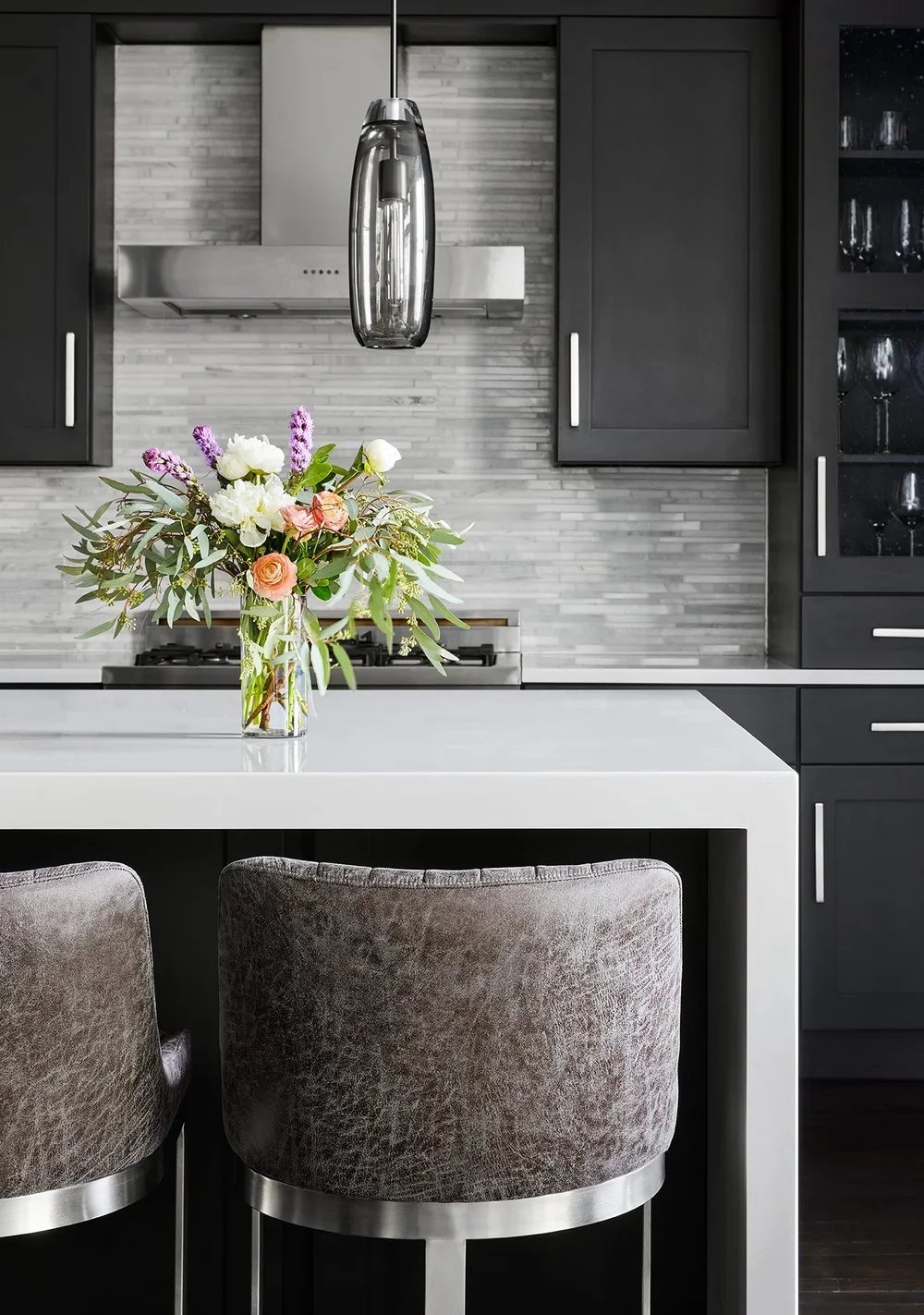
Photo credit: PAULA INTERIORS
Before starting any design project, the first thing you’ll try to nail down is your style. And honestly, that can be much more difficult than it sounds. While the labels of traditional, contemporary, maximalist, bohemian, and other design styles provide a useful starting point, they can also become limiting when treated as a set of rules.
We believe that some of the most beautiful homes evade categorization. Instead of sticking to one aesthetic, they bring together different periods, influences, and ideas under one roof. These are the homes that feel collected over time, rather than decorated all at once. Really beautiful homes that leave a lasting impression also reflect both the architecture as well as the lives and personalities of the people living there.
Ultimately, a beautiful home doesn’t have to belong to a particular style. It should belong to you!
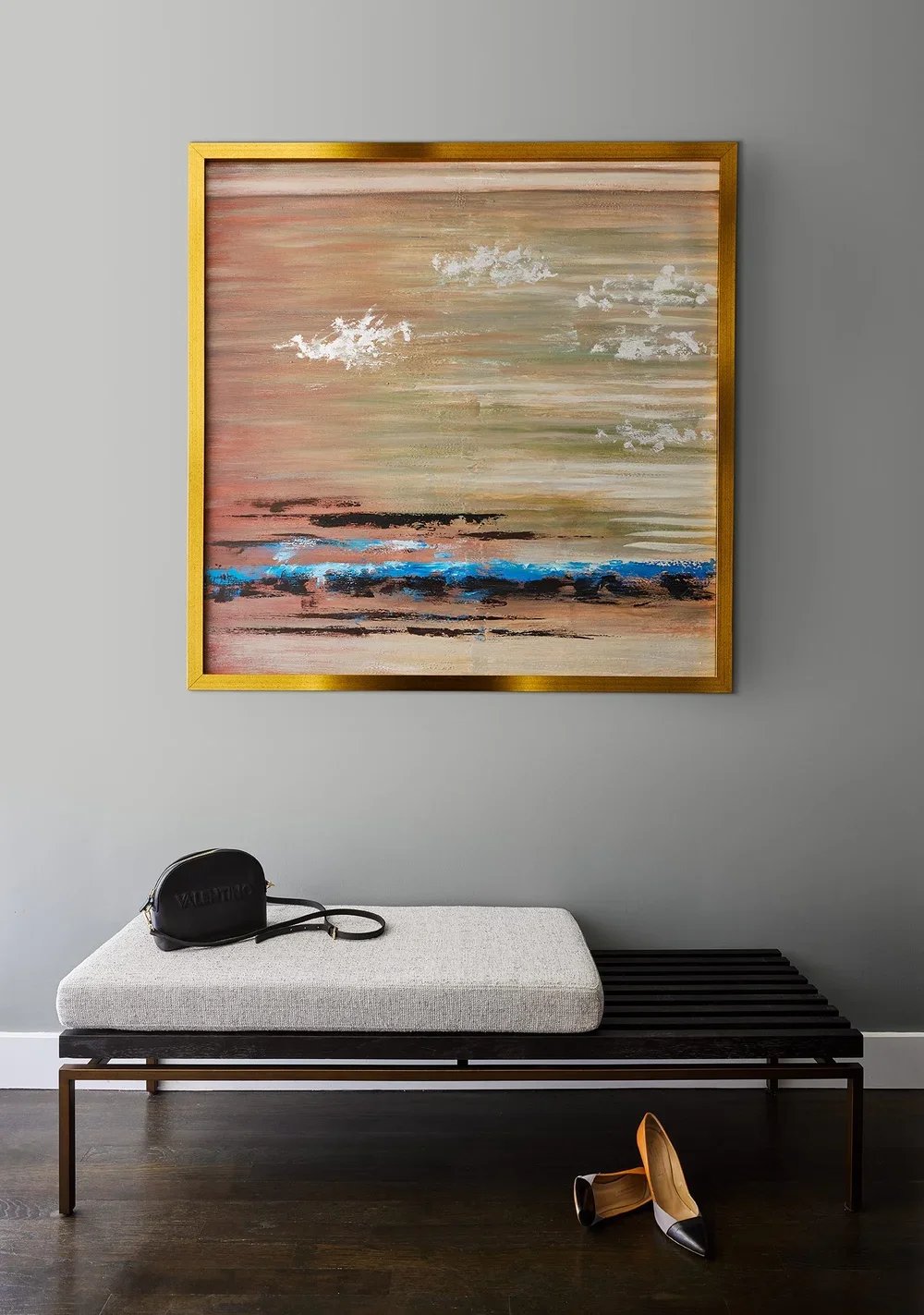
PHOTO Credit: PAULA INTERIORS
Start with the Things You Love
If you don’t know what design styles you are drawn to, spend some time looking at design magazines, websites, and even social media channels. When starting a project, you’ll need a general idea of what colors, materials, and moods appeal to you. After you have these, a designer can work with you to hone in on a design scheme.
But keep in mind that these don’t all have to go together…at least not right away, and not in the traditional sense. You might love classic architecture but gravitate toward contemporary art. Or you might prefer sleek upholstery but have inherited an ornate antique bookcase that you want to keep.
Rather than seeing these differences as problems to solve, we see them as opportunities. It’s okay to break the rules when it comes to design, and in fact, we don’t really think there are strict rules. It’s just about creating a sense of congruity between what you love.
Mixing Old and New
One thing that we frequently see in beautiful homes is an ability to mix old and new. For example, different periods or pieces from an existing collection mixed with brand new items and an antique or two can create a harmonious balance. Adding a sense of history, craftsmanship, and patina can make a home feel like it has heritage, which makes it more comfortable and luxurious. By bringing in vintage pieces with brand new, a space will feel collected rather than purchased. It also leaves room for a home to continue evolving as new pieces are discovered. You won’t have to worry about things not matching.
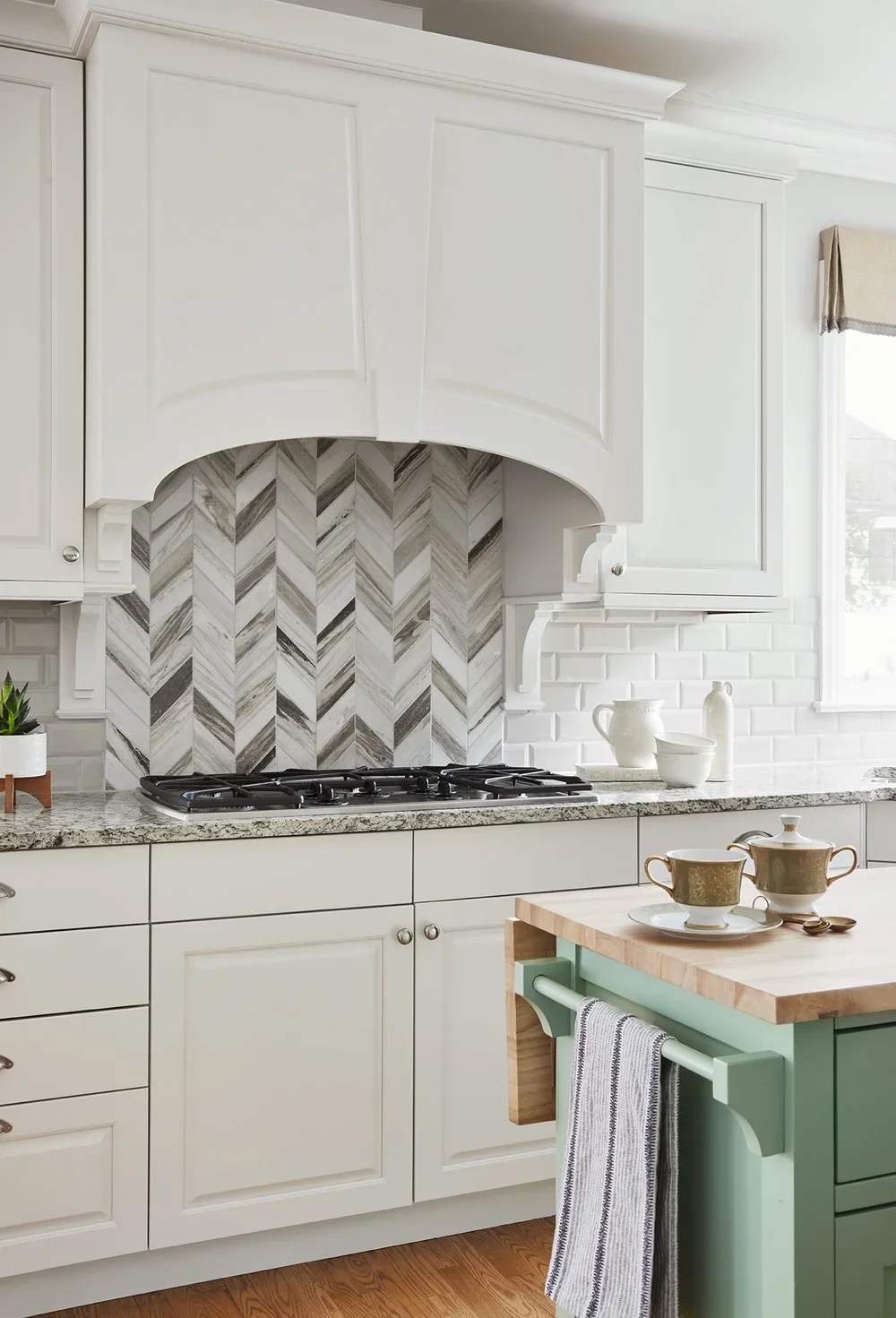
Photo Credit: PAULA INTERIORS
Cohesion Doesn't Require Sameness
Of course, this does not mean abandoning a sense of order. The difference between a layered interior and a chaotic one is often found in the smallest details. Repeated colors, materials, finishes, textures, or shapes can establish a visual flow, even when individual pieces come from very different styles or periods. The goal is not for everything to match, but for everything to feel like it belongs.
Some Tips to Keep in Mind:
Start with the architecture of the home: Let the proportions, period, existing materials, and details give you a foundation, even if the furnishings move in a different direction.
Design around what you love: Books, artwork, family heirlooms, collections, and meaningful objects are often a better starting point than choosing a style label.
Pay attention to scale and proportion: Pieces don't need to come from the same period to work together, but they should feel balanced in relation to one another and the room.
Don’t follow trends just for the sake of them.
The Most Beautiful Homes Have Evolved Over Time
Rome wasn’t built in a day. The most beautiful homes are often the ones that have acquired character through years of living, rearranging, and discovering what works. There is no need to fill every empty wall or corner immediately. It’s better to leave a little space for something yet to be found.
And a little tension can be beautiful, too: polished beside worn, ornate and simple, old with new, precious objects mixed with the everyday. Ultimately, our aim is not to create the perfect example of a particular design style. It is to create a home where architecture, beauty, practical needs, and personal history coexist naturally. If you’d like to discuss possibilities for your home, please get in touch with us today. We’d love to help you refine your style and design choices.